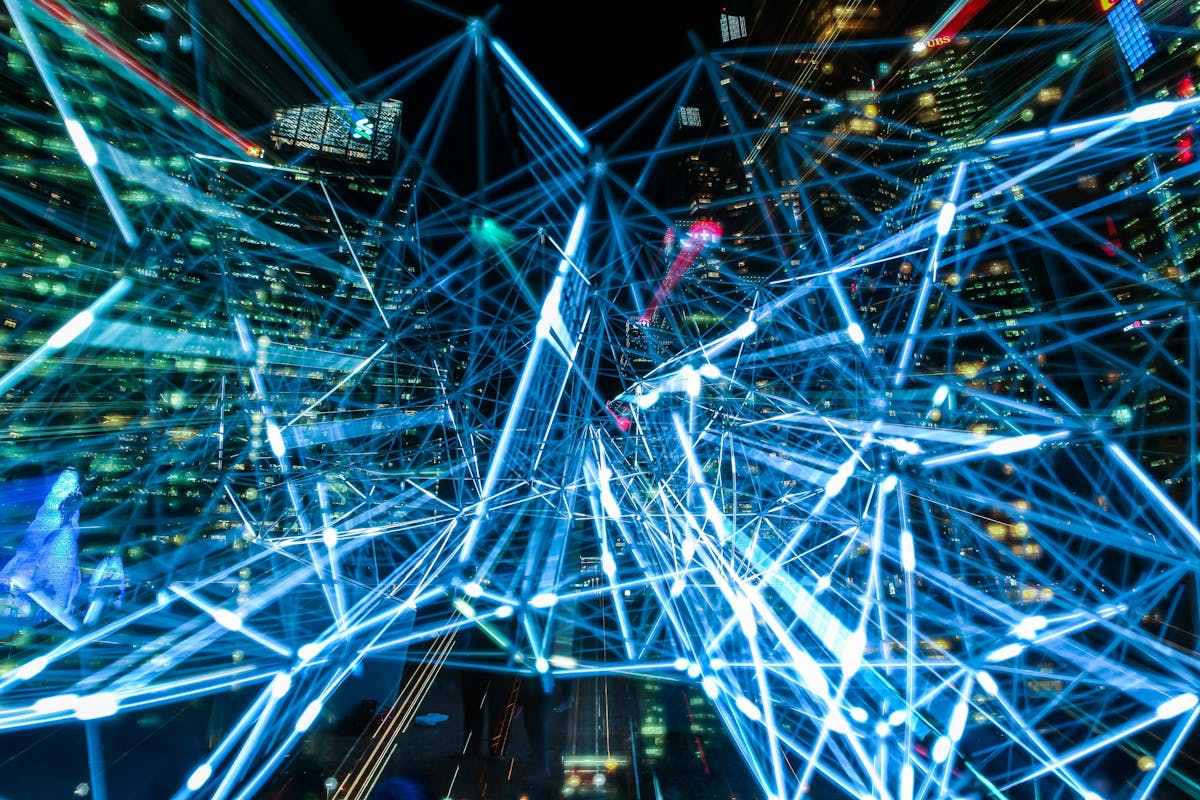
For over a decade, the "Cloud" was perceived as a mystical, centralized location where data went to be processed and stored. In 2026, the physical reality of the internet is changing. We are witnessing the massive migration of compute power toward Edge Computing—moving the processing closer to where the data is actually generated.
Why Latency is the Enemy
In applications like autonomous driving, remote surgery, or high-fidelity AR/VR, even a millisecond of delay (latency) caused by sending data to a distant server can be critical. Edge Computing solves this by placing micro-data centers at the "edge" of the network—in city towers, local ISP hubs, and even directly inside smart buildings.
Live Edge Latency Monitor
Monitoring data packet round-trip times (RTT)...
The Convergence of AI and Edge
The true power of Edge Computing in 2026 is its synergy with Artificial Intelligence. AI models are now lightweight and optimized enough to run directly on the Edge. This means that a security camera doesn't need to stream hours of raw video to a central cloud to detect an intruder; it can perform facial recognition and threat analysis locally in real-time, sending only the critical alerts.
A New Era of Connectivity
As 6G infrastructure continues to deploy, the speed and density of the Edge network will grow exponentially. This will unlock possibilities we currently only dream of: instantaneous global translation, hyper-realistic holographic communication, and industrial automation that functions with the responsiveness of a local machine, but with the scalability of the global cloud.